Counseling & Emotional Support
Looking for Counseling and Emotional Support? Understanding the Difference Between Personal Support and Professional Help
Sometimes, we need someone who cares about us. At other times, we need someone who can help us understand what we are going through.
Life is not always easy. We all experience moments of sadness, stress, confusion, disappointment, fear, and emotional pain. Sometimes, we face relationship difficulties, family conflicts, work-related pressure, loss, addiction, or changes in life that leave us feeling overwhelmed.
During such times, we naturally turn to the people closest to us. We talk to our friends, share our worries with family members, or seek advice from someone we trust. Their love, concern, encouragement, and presence can make a real difference.
But what happens when, despite the support of our loved ones, we continue to struggle?
This is where understanding the difference between personal support and professional counseling becomes important.
1. The Value of Support from Friends and Family
Friends and family members can be an important source of emotional strength. They know our history, understand our circumstances, and may recognize when something is troubling us.
Sometimes, all we need is someone who will listen without interrupting, sit with us when we feel low, or remind us that we are not alone.
Personal support can help us in many ways:
- Emotional comfort: Knowing that someone cares can reduce feelings of loneliness.
- Practical help: Family and friends can help us manage everyday responsibilities during difficult times.
- Encouragement: Their words can restore hope when we feel discouraged.
- A sense of belonging: Feeling accepted and understood can help us face challenges with greater confidence.
We should never underestimate the value of genuine human connection. Emotional support from loved ones is an important part of our well-being.
However, even people who love us deeply may not always know how to help us with every problem.
2. Why Love and Good Advice May Not Always Be Enough
When we share a problem with someone close to us, they usually respond according to their own experiences, beliefs, emotions, and understanding of the situation.
Their intentions may be good, but their advice may not always address what we actually need.
For example, when someone is experiencing anxiety, a friend might say, “Don't worry so much. Everything will be fine.”
When someone is struggling with sadness, a family member might say, “You have so much to be thankful for. Try to be positive.”
When someone faces relationship difficulties, a friend might immediately take their side or tell them what they would do in the same situation.
These responses may come from genuine concern. Yet they may leave the person feeling misunderstood, guilty, or reluctant to share more.
Emotional struggles are not always solved by encouragement, positive thinking, prayer, or practical advice alone. Sometimes, we need to understand the underlying reasons for our feelings, recognize recurring patterns, and learn healthier ways of responding to difficult situations.
The people who love us can support us through our struggles, but they may not always have the knowledge or skills to help us work through them.
That does not make their support less valuable. It simply means that different kinds of support serve different purposes.
3. What Is Professional Counseling?
Professional counseling is a supportive process in which a trained counselor helps an individual explore concerns, understand emotions, examine patterns of thinking and behavior, and identify constructive ways forward.
Unlike an ordinary conversation, counseling has a clear purpose. It provides an opportunity to discuss personal concerns in a structured, respectful, and non-judgmental setting.
A counselor does not simply tell you what to do. Instead, the process may help you:
- Understand why certain situations affect you emotionally.
- Recognize unhelpful patterns in your thoughts, feelings, and behavior.
- Explore difficult experiences at a pace that feels manageable.
- Develop healthier coping strategies for stress and emotional distress.
- Improve communication and relationships.
- Strengthen self-awareness, confidence, and decision-making.
- Identify practical steps toward personal growth and change.
Counseling is not about finding fault with you. It is about helping you understand yourself better and discover healthier ways to respond to life's challenges.
You do not need to wait until your problems become overwhelming before seeking professional support.
4. Friends and Family vs. Professional Counseling: What Is the Difference?
Both forms of support can be valuable, but they are not the same.
Support from friends and family is usually based on affection, shared experiences, personal understanding, and a desire to help. It can provide companionship, reassurance, practical assistance, and a sense of belonging.
Professional counseling draws on counseling knowledge, relevant training, structured conversations, and appropriate techniques to help you explore concerns and develop coping skills.
Here are some important differences:
Personal relationships offer connection. A counselor offers a dedicated space to focus on your concerns without the usual expectations and responsibilities of a personal relationship.
Loved ones may offer advice. A counselor helps you explore your options, understand your reactions, and make informed decisions that fit your circumstances.
Friends may focus on the immediate problem. Counseling can help you examine recurring patterns and the factors contributing to your difficulties.
Family members may be emotionally involved. A professional counselor aims to approach your concerns with greater objectivity and without taking sides.
Professional counseling also follows ethical responsibilities, including confidentiality and its applicable limits. You can ask a counselor about these boundaries before beginning sessions.
Neither form of support needs to replace the other. In many situations, the healthiest approach is to have both a caring personal support network and access to professional guidance when needed.
5. When Should You Consider Counseling?
You may benefit from counseling when emotional difficulties begin to affect your daily life, relationships, work, sleep, or ability to make decisions.
Consider seeking support if you experience any of the following:
- Persistent sadness, worry, stress, or emotional exhaustion.
- Difficulty managing anger, frustration, fear, or disappointment.
- Repeated conflicts in family or personal relationships.
- Feelings of loneliness, helplessness, or low self-worth.
- Difficulty adjusting to a major life change, loss, or disappointment.
- Repeated habits or behaviors that you find difficult to change.
- Concerns related to addiction, recovery, or supporting a loved one through recovery.
- A feeling that you keep facing the same problems despite trying different solutions.
You might also seek counseling simply because you want to understand yourself better, improve your emotional health, or develop healthier ways of relating to others.
You do not have to prove that you are suffering enough to deserve help.
If your symptoms are severe, persistent, or significantly affecting your functioning, a qualified mental health professional can help assess what kind of care would be appropriate. Some concerns may require psychological or psychiatric assessment in addition to, or instead of, counseling.
6. What Happens During a Counseling Session?
Many people hesitate to seek counseling because they do not know what to expect.
They may wonder, “Will I be judged?” “Will I have to share everything immediately?” or “Will the counselor tell me what I must do?”
A good counseling process begins by understanding your concerns.
During an initial session, you may discuss what has brought you to counseling, how the situation affects you, and what you hope to achieve. You can ask questions about the counselor's training, approach, confidentiality, fees, and the likely structure of the sessions.
You do not need to have all the answers before you begin. Nor should you feel pressured to disclose everything at once.
Over time, counseling may involve exploring your experiences, identifying patterns, developing practical coping skills, setting achievable goals, and reviewing your progress.
The purpose is not to make you dependent on the counselor. It is to help you develop greater understanding, emotional resilience, and the ability to manage challenges more effectively.
7. Seeking Help Is Not a Sign of Weakness
One of the biggest barriers to counseling is the belief that we should be able to handle everything ourselves.
Some people feel that seeking help means they have failed. Others worry about what people might think or believe that asking for support makes them less capable.
But consider this: when you have a physical health concern, seeking appropriate medical advice is a sensible step. Emotional well-being also deserves attention and care.
Recognizing that you need support requires self-awareness. Taking steps to address your difficulties can be an act of responsibility and courage.
You do not need to wait until you reach a breaking point. You do not need to hide your struggles to appear strong. And you do not need to face every challenge alone.
Strength is not the ability to carry every burden without help. Sometimes, strength is recognizing which burden you need help carrying.
8. How to Choose the Right Counseling Support
If you are considering counseling, take time to find a professional whose qualifications, experience, and approach are appropriate for your needs.
Here are a few things to consider:
1. Relevant qualifications and training: Look for a counselor with suitable training and experience in the concerns you wish to discuss.
2. A respectful approach: You should feel that your concerns are heard without unnecessary judgment or pressure.
3. Clear communication: The counselor should explain the process, expectations, fees, and confidentiality arrangements.
4. Appropriate boundaries: Professional counseling should respect your autonomy and help you make your own informed decisions.
5. A suitable approach for your needs: Different concerns require different forms of support. Ask whether the counselor's experience matches your situation.
It is reasonable to ask questions before committing to sessions. Counseling should be a collaborative process in which you understand the purpose of the work and have an opportunity to discuss your goals.
9. You Do Not Have to Figure Everything Out Alone
There may be times when talking to a trusted friend brings relief. There may be times when a conversation with a family member helps you see a situation differently. And there may be times when you need a more structured opportunity to explore what is happening in your life.
All three experiences can have a place in your journey.
The important thing is to recognize what you need at a particular time.
If you have been carrying emotional pain for a long time, repeating the same patterns, or feeling uncertain about your next step, consider reaching out for professional support.
You deserve an opportunity to be heard, to understand yourself more clearly, and to explore constructive ways forward.
Looking for Counseling and Emotional Support?
At MS Holistic Services, we recognize that emotional well-being is an important part of a person's overall quality of life.
Our counseling-oriented approach focuses on helping individuals explore personal concerns, improve self-awareness, understand emotional and behavioral patterns, and identify practical steps toward healthier choices and personal growth.
Whether you are dealing with emotional stress, relationship difficulties, challenges related to addiction recovery, or a desire for greater self-understanding, seeking appropriate support can be a meaningful first step.
You do not have to wait until life becomes unmanageable before asking for help.
Reach out to MS Holistic Services to learn more about counseling and emotional support options that may suit your needs.
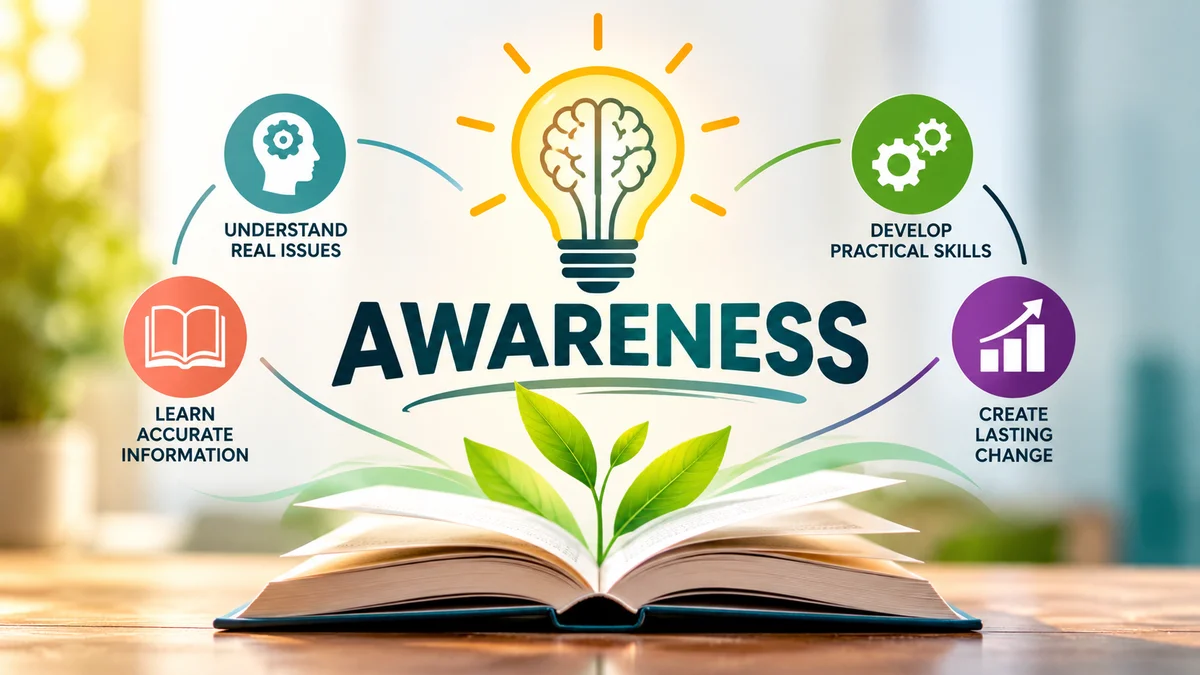
Building Awareness. Creating Change.