Personality Development and Confidence Building: Why Training Alone Is Not Enough
Learning a new skill is important. Learning how to apply it in your everyday life is what makes the difference.
Have you ever wanted to become more confident, communicate more effectively, overcome hesitation, or improve the way you relate to others?
Perhaps you have attended a training program, read self-development books, or watched videos about personal growth. You may understand what confident people do and how effective communication works. Yet, when you face a real-life situation, you find yourself returning to familiar habits.
You may hesitate to express your opinion, struggle to say no, become defensive when criticized, or avoid situations in which you feel uncomfortable.
Why does this happen?
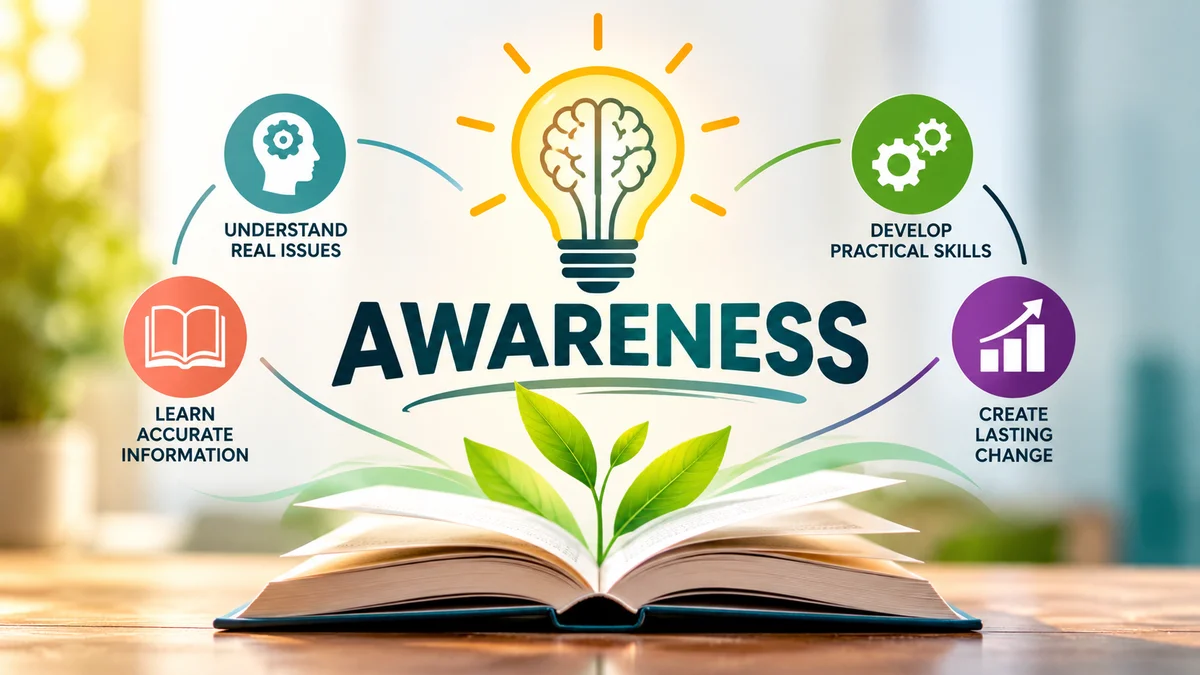
Because personality development is not simply about acquiring information. It involves understanding yourself, developing practical skills, practising new behaviours, and gradually becoming more comfortable applying them.
At MS Holistic Services, Personality Development and Confidence Building focuses on helping individuals strengthen their communication, confidence, interpersonal skills, and personal growth.
Let us understand why this development matters and how training, practice, and guidance can work together to support meaningful change.
1. What Is Personality Development?
Personality development is the process of strengthening the qualities, attitudes, skills, and patterns of behaviour that influence how we think, communicate, make decisions, and interact with others.
It does not mean changing your identity or pretending to be someone you are not.
It means understanding your strengths, recognizing areas that need improvement, and developing the ability to express yourself more effectively.
For example, personality development may involve learning to:
Express your thoughts clearly and respectfully.
Listen carefully without interrupting.
Respond constructively to criticism.
Manage nervousness in social or professional situations.
Develop healthier habits and greater self-discipline.
Recognize your strengths and work on your limitations.
Build more effective personal and professional relationships.
Personality development is not about becoming perfect. It is about becoming more aware, capable, and intentional in the way you live.
2. Why Is Confidence So Important?
Confidence influences how we approach opportunities, communicate our ideas, make decisions, and respond to challenges.
When confidence is low, we may hesitate even when we have the knowledge or ability to do something well.
We may remain silent when we have something valuable to contribute. We may avoid opportunities because we fear making mistakes. We may depend excessively on other people's approval before making decisions.
Confidence does not mean believing that you can do everything. It means developing a realistic understanding of your abilities and being willing to act, learn, and improve.
Healthy confidence allows you to say:
“I may not know everything, but I can learn.”
“I can express my opinion respectfully, even when others disagree.”
“I can make mistakes without allowing them to define my worth.”
“I can face uncomfortable situations and gradually become more capable of handling them.”
Confidence grows through preparation, experience, constructive feedback, and repeated practice. It is not something that can always be developed simply by being told to believe in yourself.
3. Why Is Training Alone Sometimes Not Enough?
Training can introduce valuable knowledge and teach practical skills. A communication workshop, for example, may explain body language, active listening, assertiveness, and effective speaking.
But understanding these principles does not automatically mean that we can apply them consistently.
Imagine someone who attends a confidence-building session and learns how to speak assertively.
During the training, the person practises speaking clearly and feels encouraged. A few days later, however, a colleague challenges their opinion. The person becomes nervous, withdraws, and remains silent.
The training was not necessarily ineffective. The person may simply need more opportunities to practise the skill in real-life situations.
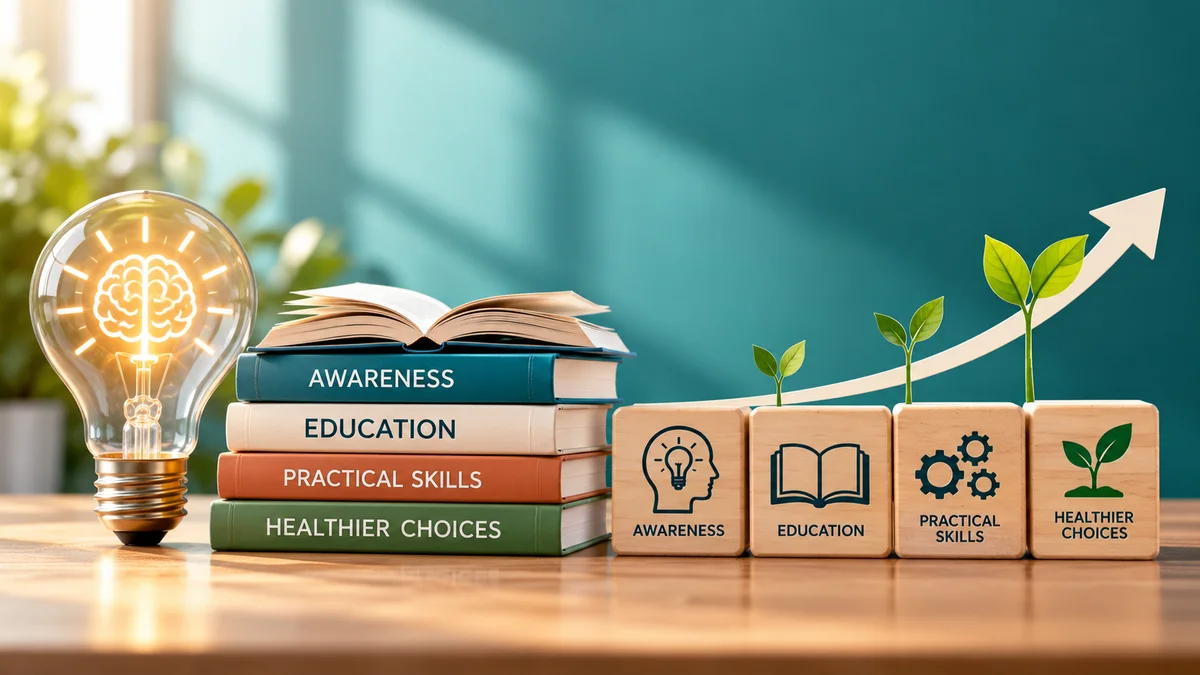
Personal development often requires several steps:
Understanding what needs to change.
Learning the relevant skill.
Practicing it in a supportive setting.
Applying it in everyday situations.
Reflecting on the outcome.
Continuing to improve through experience.
Training provides the foundation. Practice helps turn knowledge into action.
Guidance and coaching can also help individuals identify personal obstacles, set achievable goals, and remain focused on applying what they learn.
4. Personality Development Is More Than External Appearance
When people hear the phrase personality development, they sometimes think about dressing well, speaking fluently, improving body language, or making a good first impression.
These things can be useful, but personality development goes deeper.
A person may speak confidently yet struggle to listen to others. Another may have an impressive appearance but find it difficult to manage frustration or accept constructive criticism.
Meaningful development includes both how we present ourselves and how we think, respond, and relate to others.
It involves developing self-awareness, emotional intelligence, respectful communication, personal responsibility, and constructive habits.
The aim is not merely to appear confident. It is to develop the skills and attitudes that help you function more effectively in everyday life.
5. The Role of Communication Skills
Communication is central to personal and professional relationships.
Our ability to express ourselves influences how we share ideas, resolve disagreements, establish boundaries, and work with other people.
Poor communication can lead to misunderstandings even when people have good intentions.
For example, a person who finds it difficult to express disappointment may remain silent until frustration builds. Another may communicate dissatisfaction through criticism or anger.
Developing communication skills can help individuals express concerns clearly, listen to different perspectives, ask questions, and handle disagreements more constructively.
Effective communication does not mean always agreeing with others. It means learning to express yourself while respecting the other person's right to have a different viewpoint.
6. Understanding Yourself Is an Important Part of Growth
You cannot work effectively on a pattern you have not yet recognized.
Perhaps you avoid difficult conversations because you fear rejection. Perhaps you become defensive because criticism feels like a personal attack. Perhaps you struggle to follow through on goals because your routines are poorly structured.
Recognizing these patterns helps you identify what needs attention.
Self-awareness allows you to ask useful questions:
What situations make me uncomfortable?
How do I usually respond when I feel criticized?
Which habits help me succeed, and which interfere with my progress?
What do I want to improve about the way I communicate?
What practical action can I take this week?
Honest reflection is not about finding fault with yourself. It is about understanding yourself well enough to make informed choices.
7. How Can Guidance and Coaching Help?
Structured guidance can help connect what you learn during training with what you do in everyday life.
For example, if your goal is to become more confident, a practical development plan might include identifying situations in which you hesitate, setting a small communication goal, practicing an assertive response, and reviewing your experience afterward.
If your goal is to improve interpersonal skills, you might practise listening without interrupting, asking clarifying questions, and expressing disagreement respectfully.
A coach or trainer can help you identify goals, choose appropriate exercises, reflect on your progress, and adjust your approach when difficulties arise.
Training, coaching, and counseling are not interchangeable. Training primarily develops knowledge and skills; coaching generally focuses on goals and their practical application; counseling can help address emotional and personal difficulties. Depending on individual needs, these approaches may complement one another.
The right kind of support depends on the person's circumstances and goals.
8. Who Can Benefit from Personality Development and Confidence Building?
Personality development is relevant to people at different stages of life.
It may be particularly useful for individuals who want to:
Improve confidence in social or professional situations.
Develop clearer and more effective communication.
Strengthen interpersonal and relationship skills.
Become more comfortable expressing opinions.
Prepare for interviews, presentations, or new responsibilities.
Improve self-awareness and personal discipline.
Develop healthier responses to everyday challenges.
Continue growing personally and professionally.
You do not need to wait until you experience serious difficulties before working on these skills.
Personal development can be an ongoing investment in your ability to learn, adapt, communicate, and participate more confidently in life.
9. Small Changes Can Make a Meaningful Difference
You do not have to transform every aspect of your personality at once.
Begin with one area that matters to you.
If you want to improve communication, practice listening carefully during one conversation each day.
If you want to develop confidence, take one small step toward a situation you usually avoid.
If you want to become more self-aware, spend a few minutes reflecting on how you responded to a challenging experience.
If you want to improve your relationships, practice expressing a concern respectfully rather than allowing frustration to accumulate.
Review what happens. Recognize your progress. Learn from difficulties and keep practising.
Over time, these small actions can help strengthen skills that become increasingly useful in everyday situations.
10. Begin Your Personality Development Journey
Personal growth begins with recognizing that there are always opportunities to learn and improve.
You may already possess many valuable qualities. You may also have habits or communication patterns that you would like to change.
Both can be true.
The purpose of personality development is not to make you feel inadequate about who you are. It is to help you recognize your potential and take practical steps toward your goals.
At MS Holistic Services, our Personality Development and Confidence Building service focuses on strengthening communication, confidence, interpersonal skills, and positive self-development.
Through structured learning, practical exercises, and opportunities to apply what you learn, you can work toward becoming more aware of your strengths and more effective in the situations that matter to you.
You do not need to wait until you feel completely confident to begin. Confidence often develops as you take action, learn from experience, and discover that you can handle more than you initially believed.
Start with awareness. Build your skills. Practise consistently. Let your growth be reflected in the way you live.
Ready to Work on Your Personal Growth?
Explore Personality Development and Confidence Building at MS Holistic Services to learn more about opportunities to strengthen your communication, confidence, interpersonal skills, and personal development.
Your growth begins with the willingness to take the next step.
MS Holistic Services — Building Awareness. Creating Change.