Why Do We Need Emotional Health Training?
We learn how to read, write, communicate, and perform our jobs. But how much time do we spend learning how to understand our emotions, manage our reactions, and maintain healthy relationships?
Every day, we experience emotions. We feel happy, disappointed, excited, worried, angry, confident, discouraged, hopeful, and afraid. These emotions influence how we think, make decisions, communicate with others, and respond to the situations we encounter.
Yet, many of us have never received any structured guidance on understanding our emotional experiences or responding to them constructively.
We may have learned to hide our feelings, react impulsively, avoid difficult conversations, or keep our worries to ourselves. We may recognize that certain reactions are harmful but struggle to respond differently when emotions become intense.
This raises an important question: if emotional health influences so many areas of our lives, why don't we give it the same attention we give to other important life skills?
This is where Emotional Health Training becomes valuable.
At MS Holistic Services, we believe that understanding emotional health is an important step toward developing greater self-awareness, healthier coping skills, improved relationships, and more constructive ways of living.
1. What Is Emotional Health?
Emotional health involves recognizing, understanding, expressing, and managing emotions in ways that support our well-being and daily functioning.
It does not mean feeling happy all the time. It does not mean avoiding sadness, anger, disappointment, fear, or anxiety.
These are normal human emotions. They can communicate important information about our experiences, needs, relationships, and circumstances.
Good emotional health involves learning to recognize what we feel, understand what may be influencing those feelings, and choose appropriate ways to respond.
For example, anger may alert us to a perceived injustice or an unmet need. Fear may signal a possible danger. Sadness may arise from loss or disappointment.
The emotion itself is not necessarily the problem. The difficulty may lie in how we interpret it, express it, or act while experiencing it.
Emotional health helps us develop a healthier relationship with our emotions rather than allowing every emotional reaction to determine our behaviour.
2. Why Isn't Emotional Health Something We Automatically Learn?
From childhood, we learn many things by observing the people around us.
We observe how family members express anger, respond to disappointment, handle disagreements, and deal with stressful situations. These experiences can influence the ways we learn to manage our own emotions.
Some of us grow up in environments where feelings can be discussed openly. Others may hear messages such as:
- “Don't cry. Be strong.”
- “You should not feel angry.”
- “Keep your problems to yourself.”
- “What will people think?”
- “Just forget about it and move on.”
These statements may be intended to help us cope, but they do not necessarily teach us how to understand or manage what we feel.
As adults, we may continue using the emotional habits we learned earlier in life, even when those habits no longer serve us well.
The encouraging news is that emotional skills can be developed. We can learn to recognize our reactions, examine our thoughts, communicate more constructively, and practise healthier ways of responding to difficulties.
We do not have to remain limited by the emotional habits we acquired in the past.
3. What Happens When We Lack Emotional Skills?
Emotional difficulties can affect different areas of our lives.
We may react before we think.
When emotions become intense, we may shout, withdraw, make impulsive decisions, or say things we later regret.
We may misunderstand other people.
Our assumptions, fears, and past experiences can influence how we interpret another person's words or actions. A simple disagreement may become a serious conflict.
We may struggle to express our needs.
Some people find it difficult to say no, ask for help, express disappointment, or communicate boundaries. They may remain silent until frustration builds.
We may allow setbacks to define us.
A mistake, rejection, or failure may lead us to believe that we are incapable or unworthy rather than seeing it as an experience from which we can learn.
We may use unhelpful coping strategies.
When we do not know how to manage stress or uncomfortable feelings, we may avoid problems, isolate ourselves, or rely on behaviours that create further difficulties.
These patterns do not mean that a person is weak or incapable. They may indicate that the person needs opportunities to understand their emotions and develop more effective skills.
Emotional Health Training offers a structured way to begin that learning process.
4. What Is Emotional Health Training?
Emotional Health Training is a learning process designed to help individuals understand their emotions and develop practical skills for responding to everyday challenges.
It moves beyond simply telling people to stay calm, think positively, or control their feelings.
Instead, it explores what emotions are, how thoughts and experiences influence emotional reactions, and what individuals can do when they face difficult situations.
Depending on the training program, participants may learn to:
- Recognize and name their emotions.
- Understand the connection between thoughts, feelings, and behaviour.
- Identify emotional triggers and recurring patterns.
- Develop healthier ways of responding to stress.
- Communicate feelings and needs constructively.
- Handle disagreements with greater awareness.
- Practise problem-solving and decision-making.
- Build self-awareness, empathy, and emotional intelligence.
- Reflect on personal experiences and identify areas for improvement.
The purpose is not to eliminate difficult emotions. It is to help people respond to them more thoughtfully and effectively.
Like other life skills, emotional skills improve through understanding, practice, feedback, and consistent application.
5. Why Is Emotional Health Training Important for Everyone?
Emotional health is relevant to people of different ages, backgrounds, professions, and circumstances.
We all encounter situations that test our patience, challenge our confidence, or require us to manage uncomfortable feelings.
For personal well-being
Emotional skills can help us recognize stress, understand our needs, and respond to challenges without making every difficulty a personal failure.
For family relationships
Family life involves different personalities, expectations, responsibilities, and opinions. Understanding emotions can help family members communicate more respectfully and resolve disagreements constructively.
For the workplace
Employees, managers, and business owners regularly face deadlines, criticism, uncertainty, and interpersonal challenges. Emotional awareness can support communication, decision-making, and teamwork.
For young adults
Learning emotional skills can help young people navigate changing relationships, academic pressure, career decisions, and increasing responsibilities.
For parents and caregivers
Understanding emotions can help adults respond more thoughtfully to children's feelings and model constructive ways of handling frustration and disappointment.
For personal growth
Self-awareness helps us identify the patterns we want to change and the qualities we want to strengthen.
Emotional Health Training is not limited to people experiencing serious difficulties. It can also benefit those who want to improve their emotional skills and strengthen their everyday relationships.
6. Emotional Health Training Is Not About Suppressing Emotions
One common misunderstanding is that emotional strength means never becoming upset, never crying, or always remaining calm.
This is not a realistic understanding of emotional health.
Emotions are a normal part of being human. Attempting to suppress every uncomfortable feeling may prevent us from understanding what is happening within us.
Consider someone who feels angry when a colleague repeatedly ignores their contribution.
They might suppress the anger, react aggressively, or begin avoiding the colleague altogether.
An emotionally healthier response would involve recognizing the anger, understanding what has triggered it, considering the situation carefully, and deciding how to address the concern constructively.
The person may still feel angry. The difference is that the emotion does not automatically dictate the response.
Emotional health is not about controlling every feeling. It is about developing greater awareness and choice in how we respond to what we feel.
7. Emotional Health Training and Mental Health Support: Are They the Same?
Emotional Health Training and professional mental health support can complement one another, but they serve different purposes.
Emotional Health Training generally focuses on education, skill development, self-awareness, and practical strategies that people can apply in everyday life.
Counseling may provide more individualized support for personal concerns, emotional distress, relationship difficulties, or patterns of behaviour that require closer exploration.
Psychological or psychiatric care may be appropriate when someone experiences significant symptoms or a mental health condition that requires assessment and treatment.
Training is not a substitute for professional treatment when treatment is needed.
However, emotional health education can help people understand themselves better, recognize when they need additional support, and develop skills that contribute to everyday well-being.
Seeking appropriate help is a responsible step, not a failure to manage one's emotions.
8. Can Emotional Health Be Learned and Practised?
Yes. Many emotional skills can be strengthened through learning and practice.
Consider a person who becomes defensive whenever someone offers criticism.
They may initially believe that the other person is trying to insult them. With reflection and practice, they can learn to pause, examine the feedback, distinguish useful information from unfair criticism, and respond more constructively.
Or consider someone who feels overwhelmed by multiple responsibilities.
They may learn to recognize early signs of stress, identify what requires immediate attention, communicate their limits, and break large tasks into manageable steps.
These examples illustrate how emotional awareness can lead to practical changes in behaviour.
Progress does not mean that we will always respond perfectly. It means that we gradually develop more options for dealing with difficult situations.
A useful starting point is to ask yourself three questions whenever you experience a strong emotional reaction:
1. What am I feeling? Identify the emotion as clearly as possible.
2. What may be influencing this feeling? Consider the situation, your thoughts, your expectations, and your needs.
3. What would be a constructive response? Choose an action that addresses the situation without unnecessarily harming yourself or others.
Practising these questions can help create space between an emotional reaction and the action that follows.
9. Why Should We Invest in Emotional Health?
We often invest time and money in education, professional qualifications, physical fitness, and career development.
These investments can improve our knowledge, abilities, and opportunities.
But our ability to use those abilities effectively can also be influenced by how we respond to pressure, communicate with others, recover from setbacks, and manage interpersonal difficulties.
A person may have excellent technical skills but struggle to handle criticism. Another may have good intentions but find it difficult to communicate without becoming defensive.
Developing emotional skills does not guarantee success or prevent every difficulty. However, it can help us respond more thoughtfully to challenges and make more constructive choices.
Emotional health deserves attention not because it can solve every problem, but because it is an important part of how we experience and navigate everyday life.
10. Begin Developing Your Emotional Health Skills
You do not have to wait for a major crisis before learning about emotional health.
You can begin by observing your reactions, reflecting on recurring patterns, listening more carefully, and practising healthier ways of communicating.
You can also seek structured learning opportunities that help you understand emotions and develop practical skills.
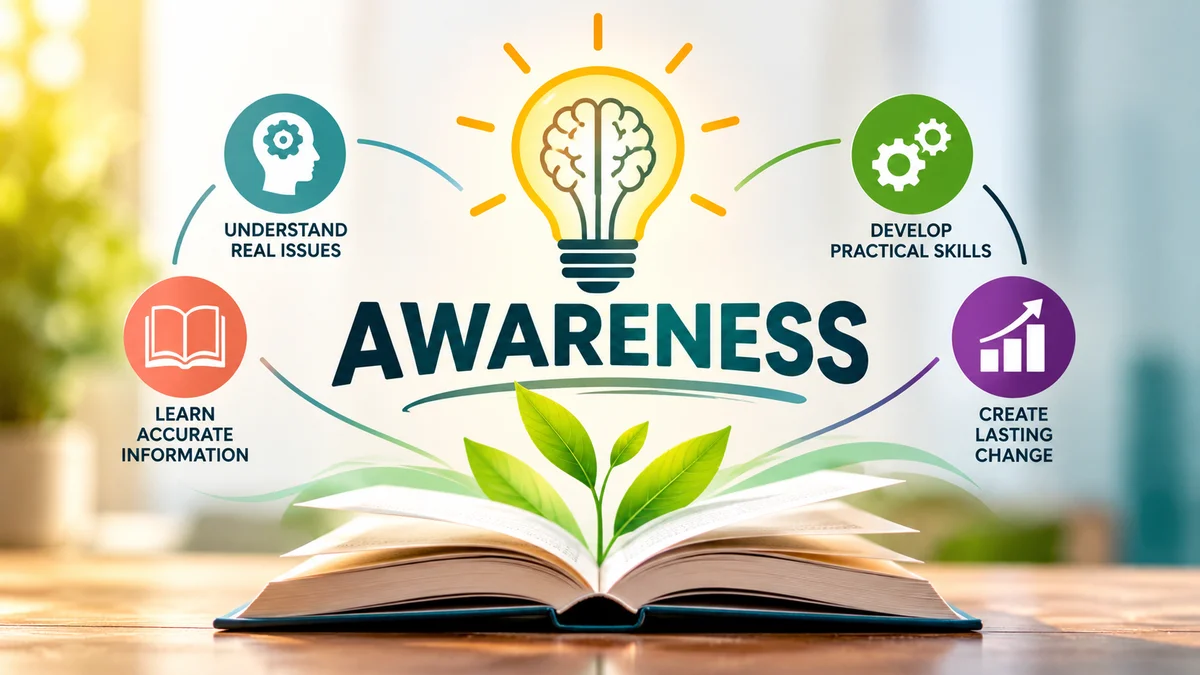
At MS Holistic Services, our focus is on increasing awareness, encouraging reflection, and supporting constructive personal change.
Through Emotional Health Training, individuals can explore concepts and practical approaches related to emotional awareness, coping skills, communication, and personal development.
The goal is to help you move beyond simply recognizing that something needs to change and begin understanding how you can work toward that change.
You may not be able to control every situation you encounter. You may not be able to prevent every difficult emotion. But you can learn to understand your emotional responses and develop healthier ways of dealing with them.
The more we understand our emotions, the better equipped we may become to respond thoughtfully, communicate effectively, and build healthier relationships.
Ready to Learn More About Emotional Health?
Explore the Emotional Health resources and training opportunities available through MS Holistic Services.
Whether you want to understand yourself better, improve your relationships, or develop practical emotional skills for everyday life, learning is a meaningful place to begin.
MS Holistic Services — Building Awareness. Creating Change.