Personality Growth Coaching: Why Coaching Instead of Training or Counseling?
Personality Growth Coaching: What It Is, Why It Matters, and How It Differs from Training and Counseling
You can learn new skills, understand your problems, and still find yourself repeating the same patterns. Personality growth begins when you start applying what you learn to the way you think, feel, behave, and live.
Have you ever promised yourself that you would become more confident, control your anger, improve your communication, develop better habits, or stop repeating the same mistakes?
Perhaps you have read books, watched videos, attended workshops, or received advice from people you respect. You may understand what needs to change, yet putting that understanding into practice remains difficult.
This is a common human experience.
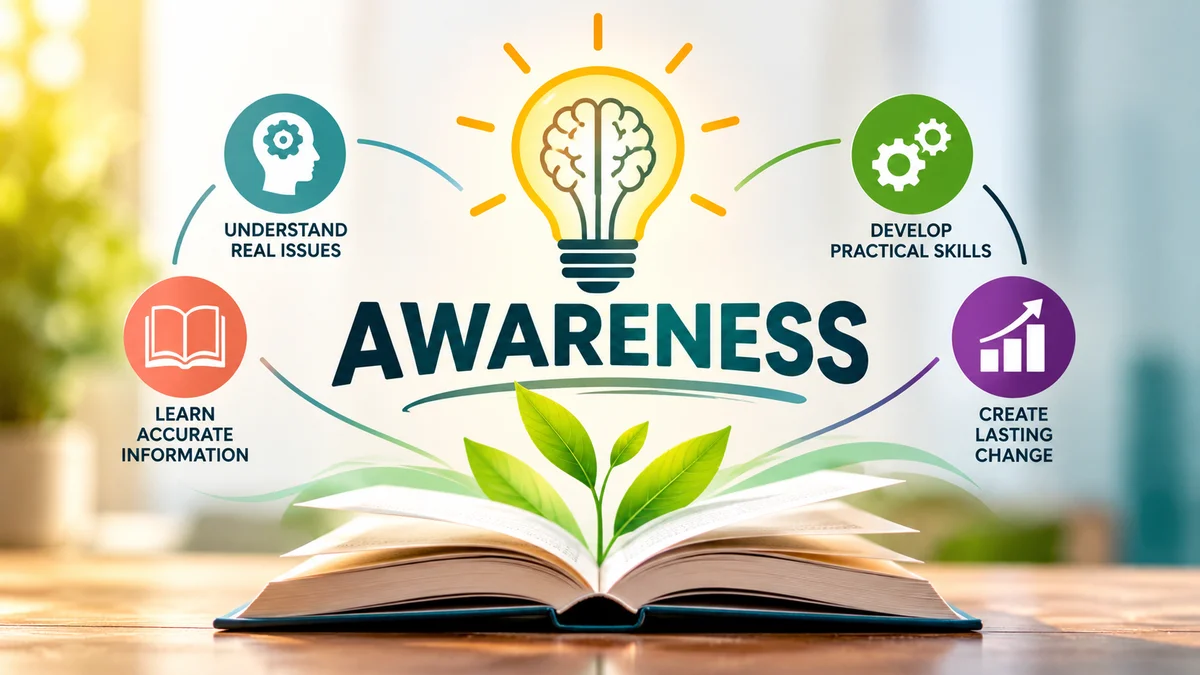
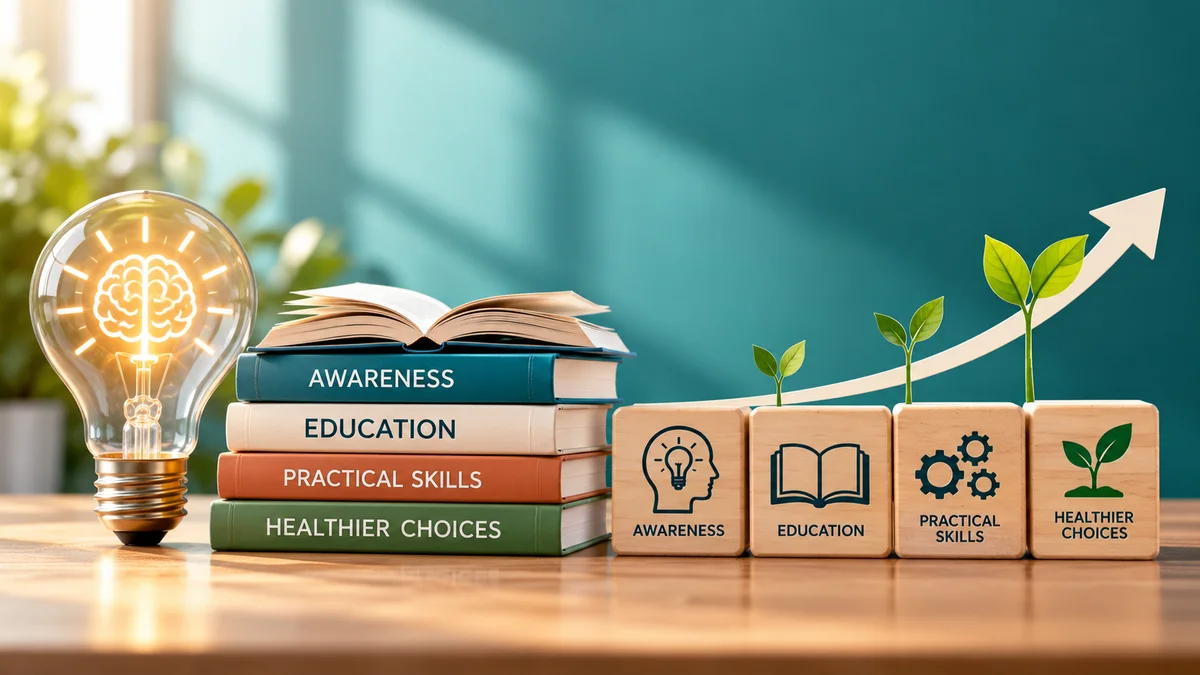
Knowing what to do and actually doing it are two different things. Lasting personal change often requires more than information. It requires self-awareness, reflection, deliberate practice, practical goals, and consistent action.
This is where Personality Growth Coaching can make a difference.
At MS Holistic Services, Personality Growth is approached as a journey of self-discovery, emotional development, behaviour change, and purposeful living. Coaching provides guidance and structure to help individuals move from understanding themselves to making meaningful changes in everyday life.
But what exactly is Personality Growth? And why choose coaching instead of training or counseling?
Let us explore these questions.
1. What Is Personality Growth?
Personality Growth is the process of developing greater self-awareness, emotional maturity, confidence, constructive behaviour, and the ability to respond to life's challenges in healthier ways.
Your personality influences how you think, feel, communicate, make decisions, relate to others, and respond to situations.
Some aspects of your personality may serve you well. You may be caring, responsible, creative, or determined. Other patterns may create difficulties. You may react impulsively, avoid difficult conversations, struggle with self-doubt, or find it difficult to manage disappointment.
Personality growth is not about rejecting who you are. It is about understanding yourself more clearly and developing the qualities and skills that help you live more effectively.
It involves questions such as:
- Why do I react the way I do in certain situations?
- What beliefs influence my decisions?
- How do my emotions affect my behaviour?
- Which habits support my growth, and which hold me back?
- How do I communicate with others when I disagree?
- What kind of person do I want to become?
- What practical steps can I take to move in that direction?
These questions encourage you to look beyond appearances and examine the patterns that shape your daily life.
Personality growth is not about becoming someone else. It is about becoming a more aware, capable, emotionally mature, and intentional version of yourself.
2. Why Is Personality Growth Important?
Many of the challenges we experience are influenced not only by external circumstances but also by how we interpret and respond to them.
Two people may face the same criticism. One may reflect on it and learn something useful. The other may become defensive, angry, or discouraged.
The difference may lie in their beliefs, emotional responses, self-awareness, and coping skills.
Personality growth helps you develop the ability to pause, reflect, and choose your response rather than automatically repeating familiar patterns.
Emotional intelligence
Recognizing your emotions, understanding what influences them, and responding constructively can improve your relationships and decision-making.
Self-confidence
Confidence develops as you understand your strengths, acknowledge your limitations, practise new skills, and learn to handle challenges.
Communication
Greater self-awareness can help you express your thoughts clearly, listen more effectively, and handle disagreements without unnecessary conflict.
Behaviour change
Understanding a habit is only the beginning. Growth involves identifying what maintains the habit and practising alternative behaviours consistently.
Relationships
The ability to recognize your own reactions, respect boundaries, and understand different perspectives can contribute to healthier personal and professional relationships.
Purposeful living
When you understand your values and priorities, you can make decisions that are more consistent with the kind of life you want to build.
These changes do not happen overnight. They develop through awareness, practice, reflection, and repeated action.
3. Why Is Information Alone Not Enough?
We live in an age when information is readily available.
You can watch videos about confidence, read books about emotional intelligence, download habit trackers, and learn communication techniques online.
These resources can be extremely useful. But access to information does not automatically produce personal transformation.
Consider someone who wants to stop reacting angrily during disagreements.
They may understand the importance of remaining calm. They may know that listening is better than shouting. They may even be able to explain the consequences of uncontrolled anger.
Yet, during an actual disagreement, they may react in exactly the same way as before.
Why?
Because personal behaviour is influenced by emotional triggers, learned responses, beliefs, habits, and the pressure of the moment.
The individual needs to recognize the pattern, practise a different response, apply it in real situations, reflect on the outcome, and continue improving.
This is the difference between knowing about change and actively working toward it.
Information tells you what may help. Guided action helps you practise turning that information into everyday change.
4. What Is Personality Growth Coaching?
Personality Growth Coaching is a structured, goal-oriented process that helps individuals understand their current patterns, identify the changes they want to make, and take practical steps toward those changes.
Rather than simply providing information or advice, coaching encourages active participation.
The individual is involved in identifying goals, exploring obstacles, developing strategies, practising new behaviours, and reviewing progress.
Depending on the person's needs, the process may involve:
- Self-awareness exercises and personal assessments.
- Reflection on thoughts, emotions, beliefs, and behaviour.
- Identification of strengths and areas for development.
- Practical goals for confidence, communication, and emotional regulation.
- Exercises and activities to practise new skills.
- Journaling and structured self-reflection.
- Reviewing progress and adjusting action plans.
- Guidance and accountability to support consistent effort.
The purpose is not to make decisions for you. It is to help you become better equipped to understand your choices and take responsibility for your growth.
Coaching works best when the goals are realistic, the individual participates actively, and progress is reviewed honestly.
5. Why Coaching Instead of Training?
Training and coaching are both valuable. They simply serve different primary purposes.
Training is generally designed to teach knowledge, techniques, or specific skills. It may involve presentations, demonstrations, exercises, and structured lessons.
For example, a communication training program might teach you how to listen actively, give feedback, or deliver a presentation.
Coaching focuses more directly on how you apply learning to your own circumstances, goals, and challenges.
Imagine that you have attended a training session on effective communication.
You know the techniques, but you struggle to use them when speaking with a family member who disagrees with you.
Coaching can help you examine what happens during those conversations, identify your personal difficulties, decide which skills to practise, and review your efforts over time.
The distinction can be summarized as follows:
Training asks: What knowledge or skills do you need to learn?
Coaching asks: How will you apply what you know to achieve meaningful change in your life?
Training may be part of a coaching process. Coaching can also include teaching and skill development. The important difference is the primary focus on applying learning to personal goals and real-life situations.
6. Why Coaching Instead of Counseling?
Counseling is a professional helping process that can support people dealing with emotional distress, personal difficulties, relationship concerns, and other challenges.
Depending on the counselor's qualifications and approach, counseling may involve exploring past experiences, understanding emotional difficulties, developing coping skills, and addressing patterns that affect well-being.
Coaching, by contrast, generally focuses on personal development, goals, action, and forward movement.
For example, someone who struggles with confidence may benefit from counseling if their difficulties are connected to significant emotional distress or other concerns requiring professional support.
They may also benefit from coaching when their primary goal is to develop assertiveness, improve communication, practise new behaviours, and build confidence in specific situations.
The distinction is not that counseling looks only at the past while coaching looks only at the future. Both may explore past experiences and present challenges. Both may support reflection and behavioural change.
The difference lies mainly in the purpose of the work, the person's needs, and the professional approach used.
Here is a practical comparison:
Counseling focuses primarily on: Understanding and addressing emotional or psychological difficulties, improving coping, and supporting well-being.
Coaching focuses primarily on: Clarifying personal goals, identifying obstacles, developing strategies, taking action, and reviewing progress.
Neither approach is automatically better than the other. The appropriate choice depends on what you are experiencing and what kind of support you need.
Coaching is not a substitute for mental health treatment when that treatment is necessary. A responsible coach should recognize the limits of their role and refer someone to an appropriately qualified professional when their concerns require a different level or type of care.
7. Training, Counseling, and Coaching: Can They Work Together?
Yes. These approaches can complement one another.
Consider an individual who wants to improve their emotional health and relationships.
Training can introduce useful knowledge about emotional intelligence and communication.
Counseling can help address significant emotional distress or personal difficulties that interfere with everyday functioning.
Coaching can help the individual set goals, practise constructive communication, develop healthier routines, and review progress.
In suitable circumstances, a person may benefit from more than one approach, provided that the roles are appropriate and the support is coordinated when necessary.
The important question is not simply, “Which approach is best?”
It is: What kind of help do I need at this stage of my life?
Understanding that distinction can help you choose support more effectively.
8. What Does the Personality Growth Coaching Process Look Like?
A structured coaching process can help transform a broad desire for self-improvement into practical, manageable steps.
Step 1: Develop self-awareness
Begin by examining your current thoughts, feelings, behaviour, habits, strengths, and challenges.
You cannot work effectively on a pattern you have not yet recognized.
Step 2: Identify what you want to change
Choose specific areas for growth. You might want to communicate more confidently, manage frustration better, become more disciplined, or improve your ability to make decisions.
Clear goals make it easier to recognize progress.
Step 3: Understand the obstacles
Explore the beliefs, habits, emotional reactions, and circumstances that make change difficult.
This stage helps you move beyond blaming yourself and toward understanding what needs attention.
Step 4: Create an action plan
Decide which practical actions you will take. These might include daily reflection, practising assertive communication, developing a routine, or responding differently to a recurring trigger.
Step 5: Practise in everyday life
Growth happens when you apply what you learn outside the coaching session.
Small, repeated actions can help strengthen new habits and make constructive responses more familiar.
Step 6: Review and adjust
Reflect on what worked, what was difficult, and what you learned. Adjust your plan when necessary and continue building on your progress.
This process is not about achieving perfection. It is about becoming increasingly aware, intentional, and consistent in the way you approach life.
9. Who Can Benefit from Personality Growth Coaching?
Personality Growth Coaching may be useful for adults and young people, where appropriate, who want structured support with personal development.
It may be particularly relevant if you:
- Want to improve your confidence and self-awareness.
- Find it difficult to communicate your thoughts or feelings.
- Want to understand and change unhelpful habits.
- Need to develop greater emotional intelligence.
- Want to improve your relationships and interpersonal skills.
- Struggle with procrastination or inconsistent routines.
- Want to make decisions that reflect your values and goals.
- Feel ready for personal change but need structure and guidance.
You do not need to have a major problem to benefit from personal development.
Sometimes, the motivation comes from wanting to become more effective at work, communicate better with family, develop greater self-discipline, or live with a clearer sense of purpose.
Coaching is most useful when you are willing to participate, reflect honestly, and take responsibility for the actions you choose.
10. Personality Growth Is a Journey, Not a Quick Fix
Personal development is often presented as a collection of quick techniques for becoming confident, successful, or emotionally strong.
In reality, meaningful change takes practice.
You may recognize a habit today and still repeat it tomorrow. You may learn to manage an emotional reaction in one situation and struggle in another. You may make progress in one area while discovering that another needs attention.
This is a normal part of learning.
The purpose of Personality Growth Coaching is not to promise instant transformation or a perfect personality. It is to provide a structured way to understand yourself, work toward meaningful goals, practise new behaviours, and build on what you learn.
Progress may be seen in small but important changes: pausing before reacting, expressing a need clearly, following through on a commitment, or recognizing a familiar pattern before it takes control.
Over time, these small actions can contribute to a more intentional and satisfying way of living.
You do not have to change everything about yourself. You need to identify what matters, understand what holds you back, and begin working on it consistently.
Begin Your Personality Growth Journey with MS Holistic Services
At MS Holistic Services, Personality Growth is approached as a guided journey of self-awareness, emotional intelligence, confidence building, behaviour change, and purposeful action.
Our Personality Growth resources are designed to help you move beyond simply learning about personal development and begin applying what you learn in everyday life.
Through structured learning, reflection exercises, practical activities, and guided personal development, you can work toward a clearer understanding of yourself and the changes you want to make.
Whether your goal is to improve your communication, strengthen your confidence, develop healthier habits, or become more emotionally aware, the first step is to understand where you are today and where you want to go.
You do not need to have everything figured out before you begin.
You need a willingness to learn about yourself, practise new approaches, and take the next step.
Personality Growth is not merely about acquiring more knowledge. It is about using self-knowledge to make more conscious choices and create meaningful change.
Explore the Personality Growth resources and guided programs available through MS Holistic Services and begin taking practical steps toward the person you want to become.
MS Holistic Services — Building Awareness. Creating Change.